Romania’s agricultural sector, a vital part of its economy, is increasingly turning to innovative solutions to boost productivity without incurring significant costs. Among these solutions, agritech stands out as a key driver of efficiency gains, helping farmers optimize their operations in a cost-effective manner.
Emerging AgriTech Solutions in Romanian Agriculture
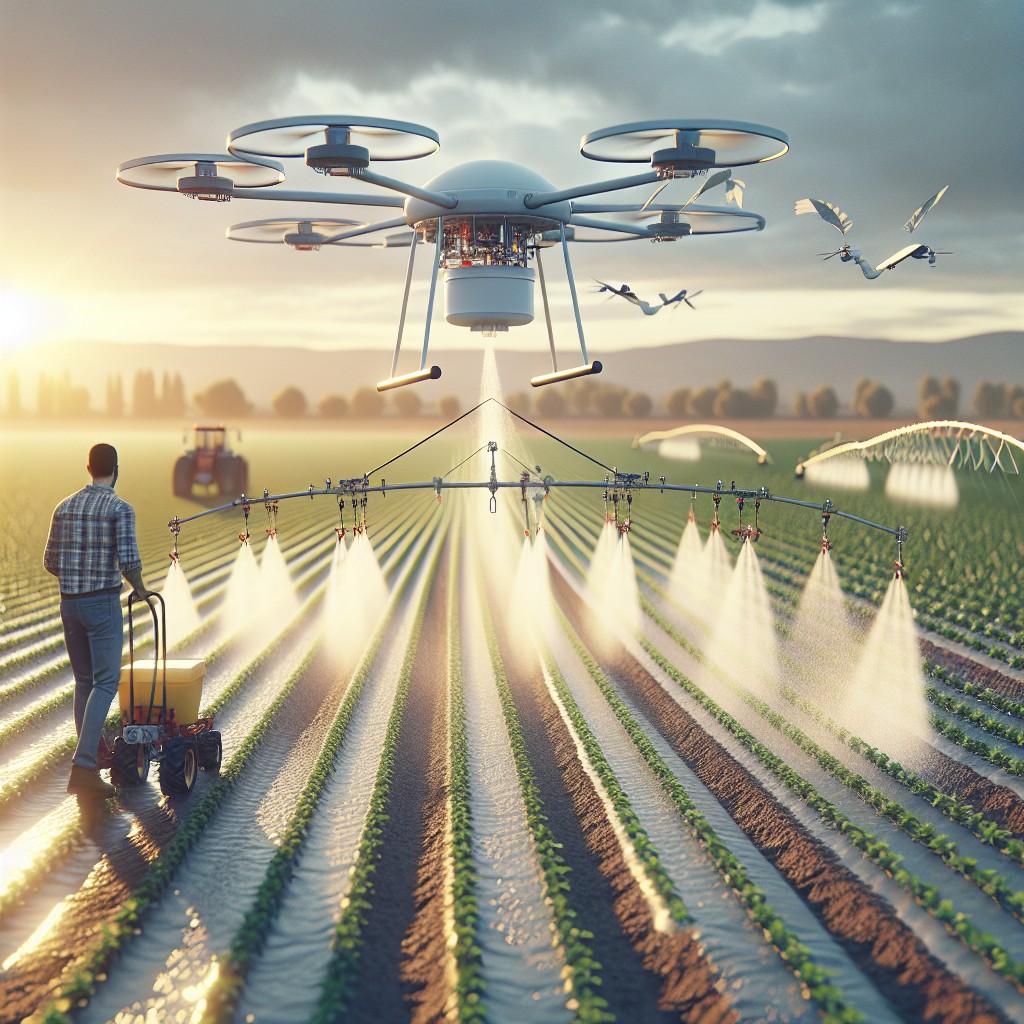
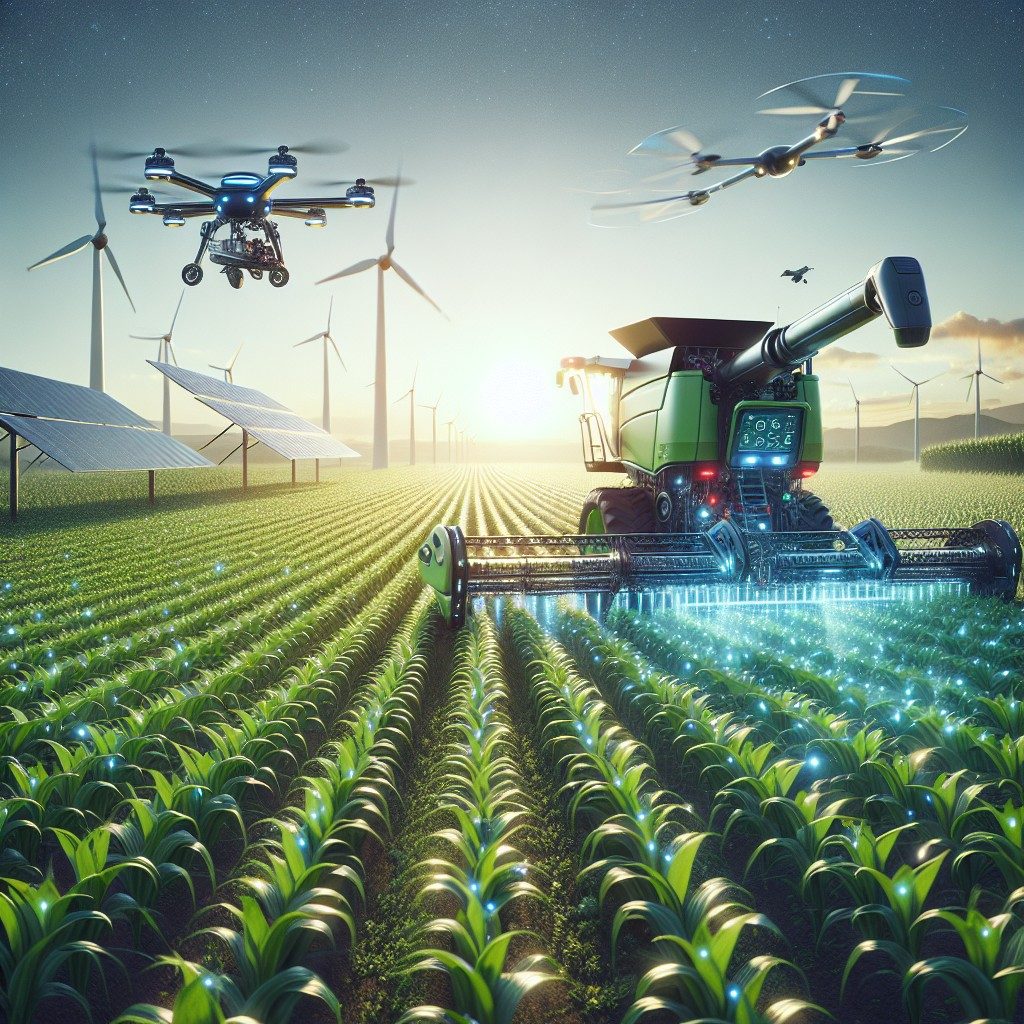
In recent years, Romanian farmers have begun adopting a range of agritech tools designed to improve crop yields and resource management. Technologies such as precision farming, soil sensors, and satellite imaging are steadily becoming part of the standard agricultural toolbox. These innovations enable more precise application of water, fertilizers, and pesticides, thus reducing waste and lowering expenses.
Precision Agriculture: Enhancing Yield Efficiency
Precision agriculture, an agritech approach that utilizes GPS mapping and data analytics, has proven effective in Romania’s varied terrains. By allowing farmers to tailor their interventions to the specific needs of each field section, this technology increases yield potential without requiring additional inputs. Romanian agricultural enterprises and small-scale farms alike benefit from crop monitoring tools that help identify stress points and optimize the timing of interventions.
Digital Marketplaces and Supply Chain Optimization
The integration of agritech also extends to the commercialization phase of agriculture in Romania. Digital marketplaces and logistic platforms have emerged, streamlining the distribution and sale of agricultural products. This minimizes costs associated with traditional supply chains, such as intermediaries and delays, improving profitability for farmers. Access to real-time market data empowers producers to make informed decisions about crop selection and pricing strategies.
Government and Institutional Support for AgriTech Development
Recognizing the potential of technologic advancements, Romanian government agencies and agricultural institutions have initiated programs supporting agritech adoption. Funding opportunities, training sessions, and partnerships with technology developers encourage the integration of modern tools in everyday farming practices. These initiatives help bridge the gap for farmers hesitant to invest in new technologies due to cost concerns or lack of technical expertise.
The Role of Data Analytics and Artificial Intelligence
Data analytics and artificial intelligence (AI), as part of the agritech landscape, enable Romanian farmers to predict crop performance and manage risks more effectively. AI-powered models analyze weather patterns, soil conditions, and crop health to guide planting and harvesting decisions. This reduces dependency on guesswork and mitigates the impact of adverse environmental factors, leading to yield improvements without substantial additional costs.
Accordingly, the adoption of agritech in Romania reflects a pragmatic approach to improving agricultural productivity. By focusing on cost-effective digital solutions and precision methods, Romanian agricultural stakeholders aim to enhance yields sustainably. The continued development and dissemination of these technologies, supported by policy and education, are set to play a significant role in the sector’s future.
Furthermore, links to established organizations such as the agritech programs of international experts provide Romanian farmers access to a wider knowledge base and resources, facilitating further innovation.
Frequently Asked Questions about agritech
What is agritech and how does it apply to Romanian farming?
AgriTech refers to the application of technology and innovation in agriculture to improve efficiency and productivity. In Romania, agritech includes tools like precision farming and data analytics that help optimize resource use and increase crop yields.
Can agritech reduce costs for Romanian farmers?
Yes, agritech can reduce costs by enabling more precise use of inputs such as water, fertilizers, and pesticides, and by improving supply chain efficiency, thus lowering overall expenses without compromising yields.
What types of agritech are most commonly used in Romania?
Common agritech in Romania includes GPS-guided equipment, soil sensors, satellite imagery, and digital marketplaces, all aimed at optimizing farming operations and market access.
Is there government support for agritech in Romania?
Romanian government and agricultural institutions offer programs that promote agritech adoption through funding, training, and partnerships with developers to encourage the integration of modern agricultural technologies.
How does agritech contribute to sustainable agriculture in Romania?
AgriTech supports sustainability by enabling efficient use of resources, reducing environmental impacts, and helping farmers adapt to climate variability, ensuring long-term productivity without expanding costs.