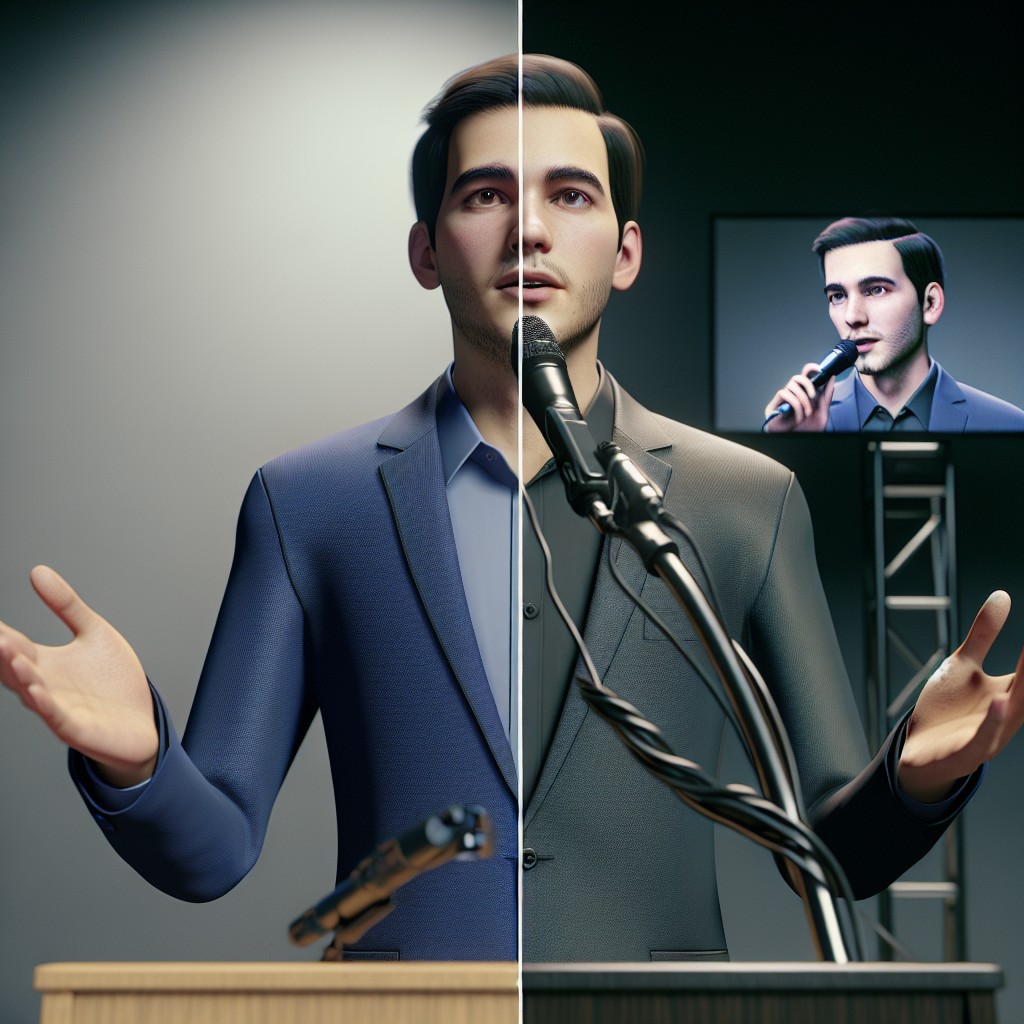
With advances in artificial intelligence and machine learning, deepfake videos have become increasingly realistic, posing significant challenges for both individuals and institutions aiming to discern authentic footage from fabricated content. Understanding how to effectively approach deepfake detection is critical in an era where manipulated video can influence public opinion and disseminate misinformation rapidly.
The rising sophistication of deepfakes
Deepfakes utilize AI algorithms to create hyper-realistic videos by seamlessly swapping faces, altering voices, or generating entirely artificial scenarios. As these technologies evolve, the output becomes harder to distinguish from genuine recordings. This surge in quality necessitates more advanced and readily accessible deepfake detection techniques to maintain trust in visual media.
Technological approaches to deepfake detection
Researchers and professionals employ a variety of methods for deepfake detection that involve analyzing inconsistencies in video data. These include scrutinizing unnatural facial movements, irregular blinking patterns, and discrepancies in shadows or lighting. Some algorithms focus on identifying anomalies in the audio-visual sync or compression artifacts intrinsic to manipulated footage. Emerging tools leverage neural networks trained specifically to recognize these subtle deviations that the human eye might miss.
The role of software and online platforms
Several software solutions and online platforms have been developed to assist users and organizations in verifying the authenticity of videos. These tools integrate advanced AI models capable of scanning uploaded content for traces of alteration. Some social media companies implement proprietary detection algorithms to flag or remove deepfake content proactively. Despite this, no system is infallible, and the continuous refinement of deepfake technology requires persistent updates and improvements to detection methodologies.
Human vigilance complements technology
Beyond technological measures, expert analysis remains crucial for deepfake detection. Professionals trained in digital forensics can identify contextual inconsistencies or verify source credibility that automated systems might overlook. Public education on recognizing signs of manipulation also plays an essential role. Awareness campaigns encourage skepticism toward unexpected or sensational videos and emphasize the importance of verifying information through trusted channels before sharing.
Challenges and future prospects in deepfake detection
While current deepfake detection technologies are advancing, the arms race between creation and detection persists. Malicious actors continuously develop new methods to evade detection, making it an ongoing challenge. The future of deepfake detection may rely on combined efforts involving AI-driven tools, regulatory frameworks, and public cooperation. International organizations are exploring standardized protocols and collaborative platforms to strengthen resistance against deceptive video content, reinforcing the integrity of digital communications.
Frequently Asked Questions about deepfake detection
What is the primary purpose of deepfake detection?
Deepfake detection aims to identify and expose manipulated videos to prevent misinformation and protect public trust in authentic media.
How effective are current deepfake detection technologies?
Current technologies are increasingly sophisticated but not perfect; they can detect many manipulated videos by analyzing digital fingerprints, though continuous improvements are necessary to keep pace with evolving deepfake creation techniques.
Can individuals use tools for deepfake detection?
Yes, there are accessible online platforms and software designed for users to check suspicious videos, though results are more reliable when combined with expert analysis.
Why is human judgment important alongside AI for deepfake detection?
Human judgment helps interpret contextual and source information that AI might miss, adding an essential layer of verification beyond technical analysis.
Where can I learn more about deepfake detection standards and updates?
You can find updated information and resources on deepfake detection at Reuters Technology and other authoritative global news organizations tracking developments in this field.